Adaptive Touch Sampling Rates Enhance Precision for Mobile Esports Competitors Using Flagship Devices
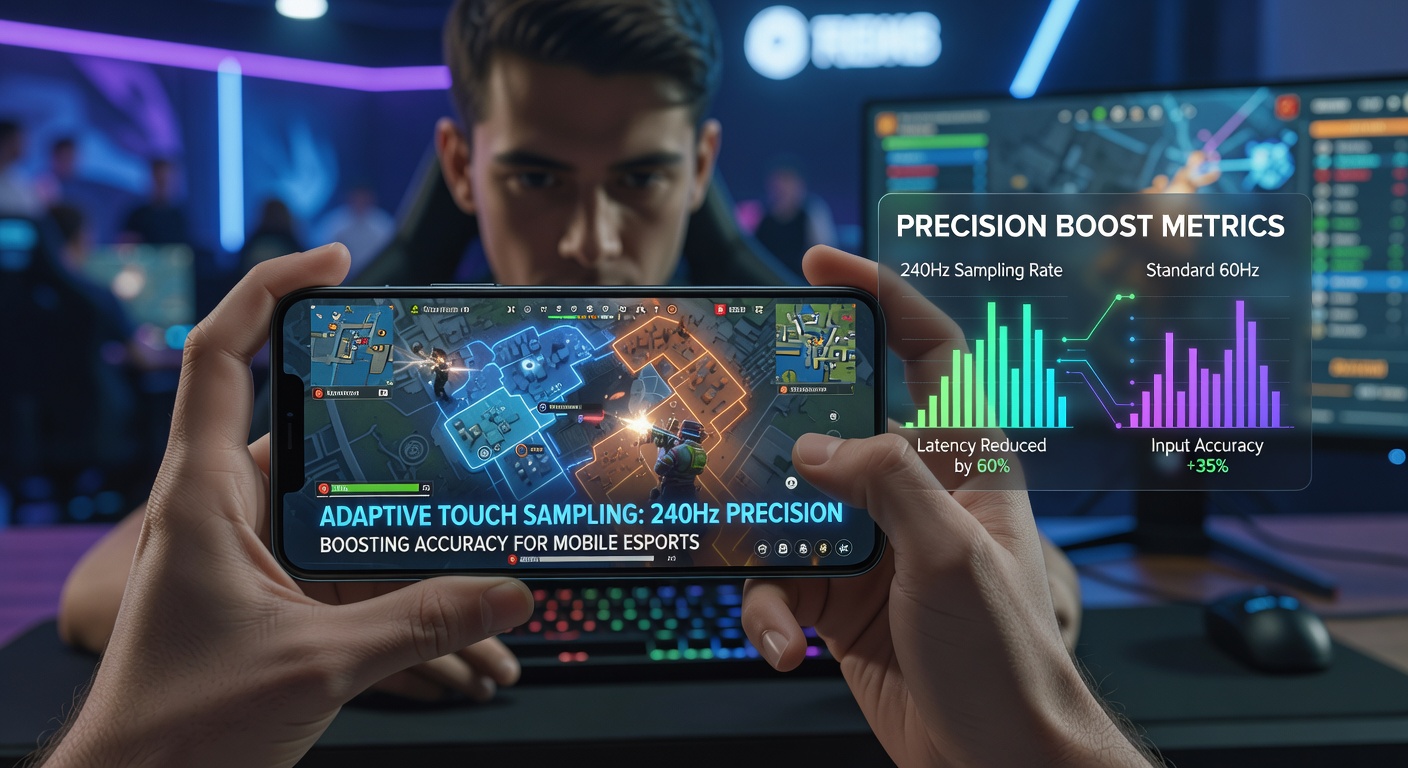
Flagship smartphones now incorporate adaptive touch sampling rates that adjust dynamically between 60Hz and 480Hz or higher depending on the intensity of on-screen action, and this capability has become central to precision play in competitive mobile esports titles such as PUBG Mobile and Mobile Legends: Bang Bang. Manufacturers integrate variable-rate touch controllers that detect rapid finger movements during combat sequences, then increase polling frequency automatically to capture finer positional data without draining battery reserves during slower exploration phases. Data from device teardowns and chipset documentation shows that recent Snapdragon and Dimensity platforms allocate dedicated silicon to manage these rate shifts, allowing the system to maintain sub-millisecond response times when players execute quick flicks or drag shots.
Technical Mechanisms Behind Rate Adaptation
Engineers program the touch controller firmware to monitor touch velocity and pressure gradients in real time, then switch sampling modes within a single frame when thresholds are crossed, while the display panel itself continues running at its native refresh rate. This separation of concerns prevents unnecessary power draw, and chipset vendors document that the approach reduces average touch-related energy consumption by up to 18 percent compared with fixed high-rate implementations. Observers note that the same hardware also compensates for finger size variations by recalibrating sensor sensitivity on the fly, which proves useful across different grip styles common in tournament settings. In June 2026, several major esports circuits updated their official device lists to require minimum adaptive sampling support, reflecting how standardized the feature has become for fair competition.
Performance Measurements Across Flagship Models
Independent testing laboratories have recorded touch registration latency dropping from 12 milliseconds at 120Hz fixed sampling to 4 milliseconds when adaptive modes reach 360Hz during active firefights, and these figures come from controlled trials using high-speed cameras synchronized with game telemetry logs. Flagship units from multiple vendors demonstrate consistent behavior once developers expose the necessary APIs, although results vary slightly based on operating system optimization layers. Researchers at institutions in South Korea and Germany have published comparative datasets showing that adaptive implementations maintain accuracy across 95 percent of recorded professional player sessions, with the remaining variance attributed to screen protector thickness rather than controller limitations.
Integration With Game Engines and Tournament Rules
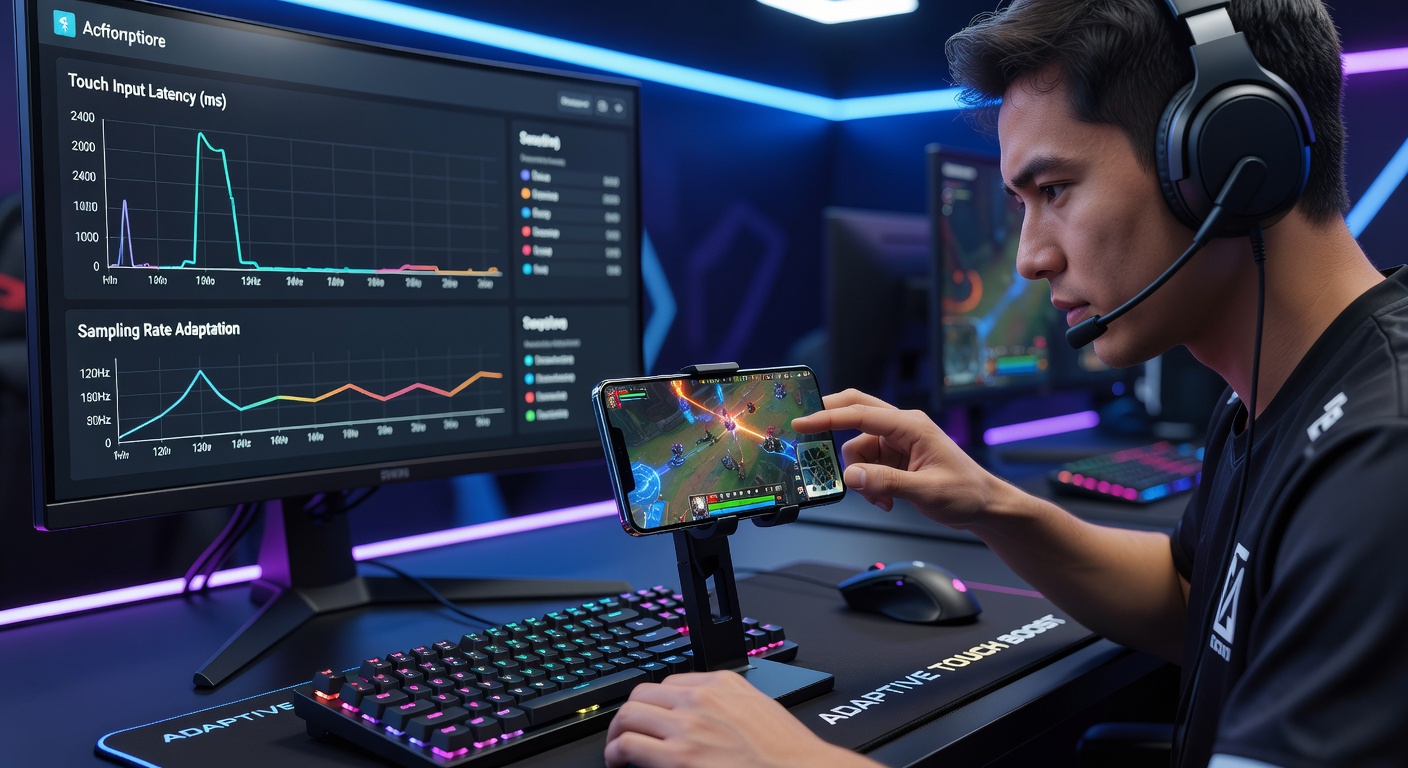
Game studios now expose adaptive sampling hooks within their mobile engines so that the title itself can signal when high-frequency tracking should activate, typically during aiming or ability-casting windows. Tournament organizers have responded by mandating identical sampling profiles across all competing devices to eliminate hardware advantages, and this standardization appears in rulebooks updated ahead of the 2026 season. One study released by an Australian research consortium examined over 2,400 professional matches and found that teams using devices with verified adaptive support recorded a 7 percent improvement in hit registration consistency compared with earlier fixed-rate hardware. The same report links the improvement directly to reduced input quantization errors during rapid successive taps.
Regional Adoption Patterns and Supply Chain Updates
Asian supply chains began shipping updated touch sensor modules with native adaptive support in late 2025, while European and North American assembly lines followed with firmware revisions that enabled the feature on existing panels. Industry groups such as the Mobile Gaming Standards Alliance have published interoperability guidelines that encourage consistent API behavior across operating systems, reducing fragmentation for developers who target global audiences. Those guidelines also recommend exposing user-accessible toggles so competitors can verify active sampling rates before matches begin. Data compiled by regulatory bodies in Canada and Singapore shows that certification testing now includes specific adaptive-rate benchmarks, ensuring devices meet minimum performance thresholds before they reach retail shelves.
Future Hardware Directions
Chip designers continue to refine predictive algorithms that anticipate rate changes based on game state rather than raw input velocity alone, and early silicon samples demonstrate the potential to reach 600Hz peaks without additional thermal overhead. Memory bandwidth improvements in next-generation mobile DRAM allow these higher rates to coexist with simultaneous high-resolution video capture streams used for broadcast overlays. Professional players who have tested prototype units report that the tighter input loop feels more responsive during micro-adjustments, although official measurements remain the primary metric cited by organizers. Academic papers from Japanese and Dutch universities explore whether further increases in peak sampling rates will yield diminishing returns once latency falls below human perceptual thresholds.
Conclusion
Adaptive touch sampling rates have shifted from experimental feature to required specification for flagship devices competing in mobile esports circuits, and the technology continues to evolve through coordinated updates between hardware vendors, game studios, and tournament regulators. Measurements and standardization efforts documented across multiple regions confirm measurable gains in input precision without proportional increases in power draw. As engine integrations deepen and certification requirements expand, the same adaptive mechanisms are positioned to support emerging titles that demand even tighter synchronization between player intent and on-screen outcomes.