Biometric Sensor Arrays in Ergonomic Chairs Tracking Posture Shifts During Marathon MMO Raid Preparations
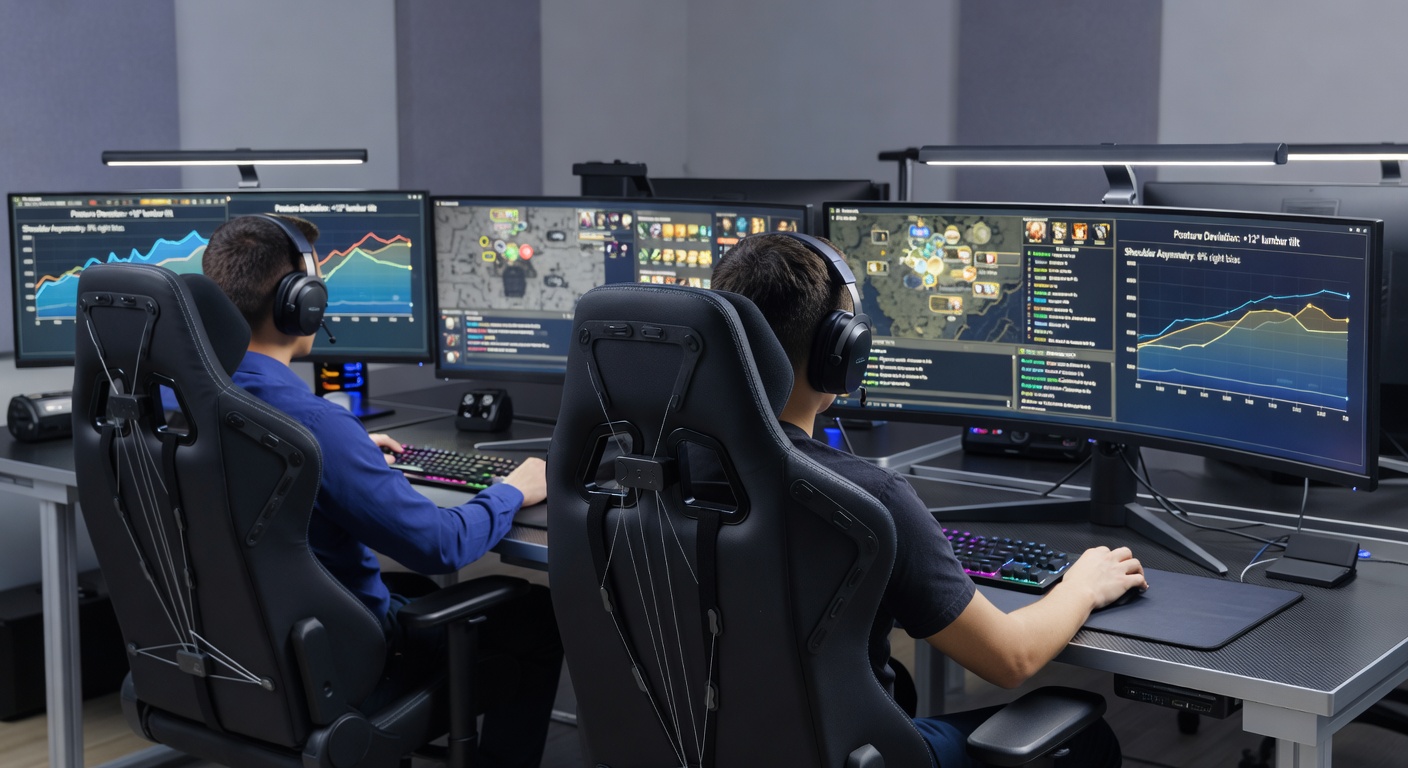
Biometric sensor arrays integrated into ergonomic chairs have become standard tools for monitoring posture during extended gaming sessions, particularly those involving marathon MMO raid preparations where players maintain seated positions for hours at a time. These systems combine pressure sensors, accelerometers, and gyroscopes to capture real-time data on spinal alignment, weight distribution, and micro-movements. Data from such arrays feeds into software dashboards that log shifts and generate alerts when patterns deviate from established baselines.
How Sensor Arrays Capture Posture Data
Manufacturers embed sensor grids across seat cushions and backrests, with each node sampling at frequencies up to 100 Hz to detect subtle pressure changes. When a player leans forward during intense raid coordination or slouches after prolonged focus, the array registers corresponding force variations and transmits them via Bluetooth or USB to companion applications. Researchers at the University of Toronto documented in 2025 how these readings correlate with lumbar strain indicators, showing measurable improvements in posture consistency when users receive haptic or visual feedback through connected displays.
Calibration routines establish individual profiles by recording neutral sitting positions before sessions begin, after which algorithms compare live inputs against those references. Systems distinguish between intentional adjustments, such as reaching for peripherals, and unintended drifts that accumulate over multi-hour periods. In June 2026, developers demonstrated updated firmware that incorporates machine learning models trained on datasets from thousands of gaming sessions, allowing chairs to predict fatigue onset based on recurring posture sequences.
Application in MMO Raid Environments
MMO raid preparations often span several hours as teams review strategies, assign roles, and optimize gear before entering instances. During these phases players remain seated while switching between voice chat, spreadsheets, and in-game interfaces, creating conditions where posture degradation occurs gradually. Sensor arrays log these transitions and provide summaries that highlight periods of increased forward tilt or asymmetric loading on one side of the body.
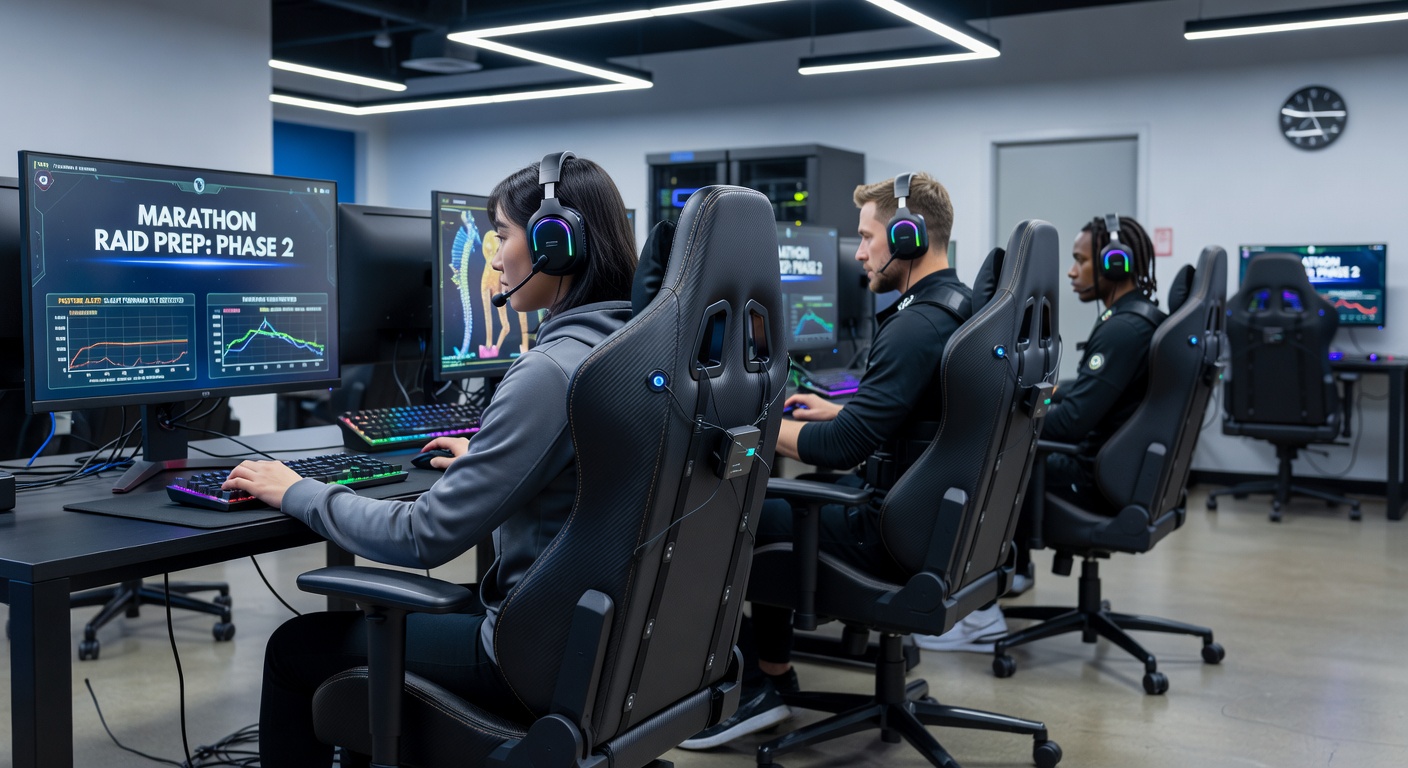
Gaming organizations have begun incorporating posture metrics into wellness protocols for competitive squads. A report from the European Games Developer Federation outlines how teams in several EU member states integrate chair data with heart-rate monitors to build comprehensive session profiles. One documented case involved a European raid group that adjusted break schedules after reviewing three weeks of array output, resulting in reduced reports of back discomfort among participants.
Technical Specifications and Data Processing
Modern arrays utilize piezoresistive materials that respond to distributed loads ranging from 5 to 150 kilograms per sensor cell. Onboard microcontrollers aggregate readings before streaming compressed packets to host software, minimizing latency to under 50 milliseconds. Open-source toolkits released by academic consortia allow developers to customize alert thresholds and export datasets in formats compatible with statistical packages such as R and Python.
Power consumption remains low because sensors operate in duty-cycled modes, activating only during active detection windows. Battery-backed versions support wireless setups that last through 12-hour sessions without recharging. Studies conducted by Australia's Commonwealth Scientific and Industrial Research Organisation have examined signal accuracy across different chair materials, confirming that fabric-covered models maintain calibration stability longer than leather equivalents under repeated use.
Integration With Broader Gaming Ecosystems
Posture data merges with other telemetry streams including keyboard input logs, mouse movement heatmaps, and performance metrics from game clients. This combined dataset supports analysis of how physical positioning influences reaction times during critical raid phases. Industry reports indicate that several hardware vendors now offer API access so third-party applications can trigger environmental changes, such as adjusting desk height or ambient lighting, when sensors detect sustained poor alignment.
Security considerations receive attention because posture profiles constitute personal health information. Manufacturers apply encryption standards aligned with guidelines from Canada's Office of the Privacy Commissioner, ensuring transmitted data remains protected during cloud synchronization. Users retain control over data retention periods through settings menus that default to local storage unless explicit consent is granted for aggregated research use.
Conclusion
Biometric sensor arrays continue to expand their role in ergonomic gaming furniture by delivering precise, continuous tracking of posture dynamics throughout demanding MMO preparation cycles. Technical refinements in sensor density, processing speed, and cross-device compatibility have established these systems as practical components within competitive and recreational setups alike. As adoption grows, the accumulated datasets contribute to broader understanding of how seating technology interacts with prolonged digital engagement across varied user populations.