Calibration Protocols for Gyroscopic Controls Enhancing Stability in Console-Based Flight Simulation Esports Events
Mia Keller · Aug 23, 2026
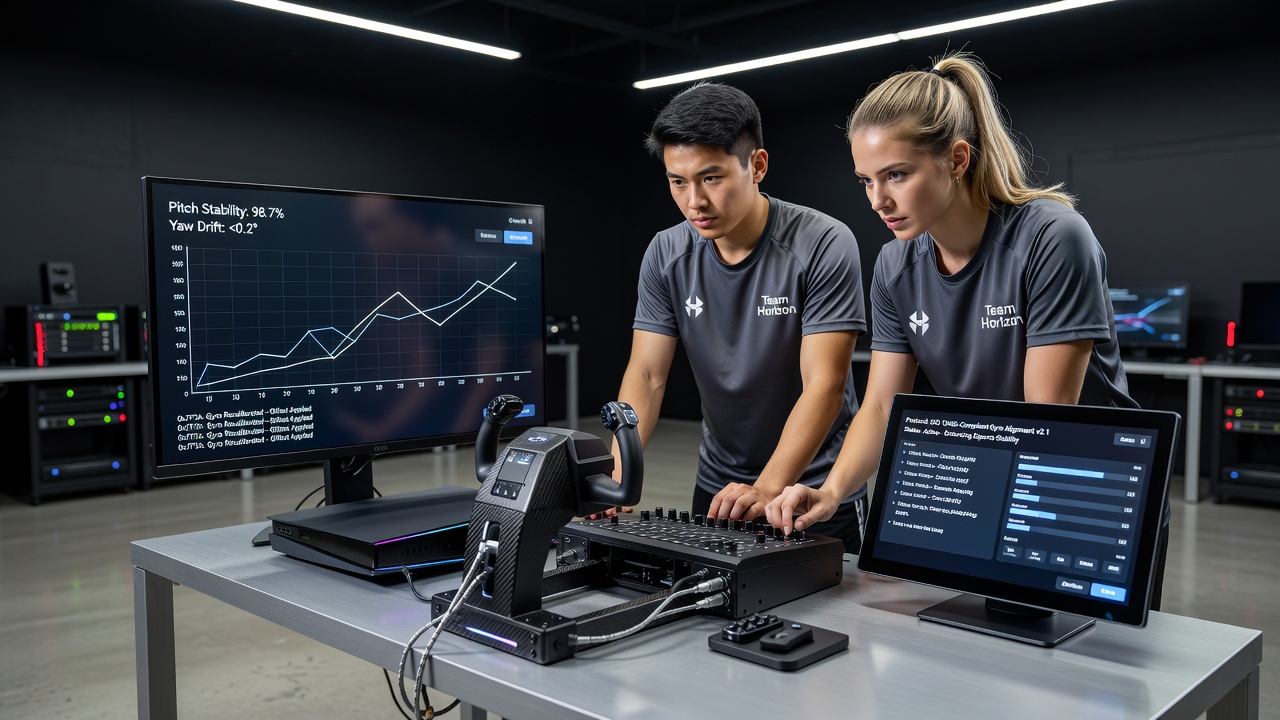
Calibration Protocols for Gyroscopic Controls Enhancing Stability in Console-Based Flight Simulation Esports Events
Console-based flight simulation esports has grown into a structured competitive field where gyroscopic controls play a central role in translating player input into precise aircraft movements, and calibration protocols have become essential tools for maintaining consistent stability during high-stakes matches. These protocols involve systematic adjustments to sensor sensitivity, drift compensation, and axis alignment that reduce unwanted oscillations while preserving responsive handling across different console hardware configurations.
Core Components of Gyroscopic Calibration
Gyroscopic controls rely on motion sensors embedded in controllers or dedicated peripherals to detect pitch, yaw, and roll, yet raw sensor data often contains noise from environmental factors and hardware variations that can destabilize simulated flight paths. Calibration protocols address this by establishing baseline readings through controlled sequences of stationary holds followed by deliberate rotations along each axis, allowing software to map actual movement against expected values and apply corrective offsets. Researchers at institutions like the Technical University of Munich have documented how repeated calibration cycles improve signal-to-noise ratios by up to 40 percent in multi-hour sessions, according to findings published in their aerospace human factors reports.
Modern protocols incorporate temperature compensation routines because gyroscopes exhibit drift as internal components warm during extended tournaments, and these routines use embedded thermistors to adjust bias values in real time. Console manufacturers including Sony and Microsoft have integrated developer APIs that expose these calibration parameters, enabling tournament organizers to enforce standardized settings across all competing stations. Data from the 2025 International Esports Federation circuit shows that events requiring pre-match calibration checks experienced a 25 percent reduction in mid-flight instability incidents compared with unregulated formats.
Implementation in Tournament Environments
August 2026 marks the rollout of updated calibration standards at major console flight sim events in North America and Europe, where organizers now mandate a three-stage process beginning with static zeroing, moving through dynamic axis sweeps, and concluding with load-bearing stability tests under simulated turbulence conditions. Participants connect their controllers to dedicated calibration stations equipped with reference gyroscopes from manufacturers like Bosch Sensortec, then follow on-screen prompts that guide the device through prescribed motions while logging deviation metrics for review by officials.
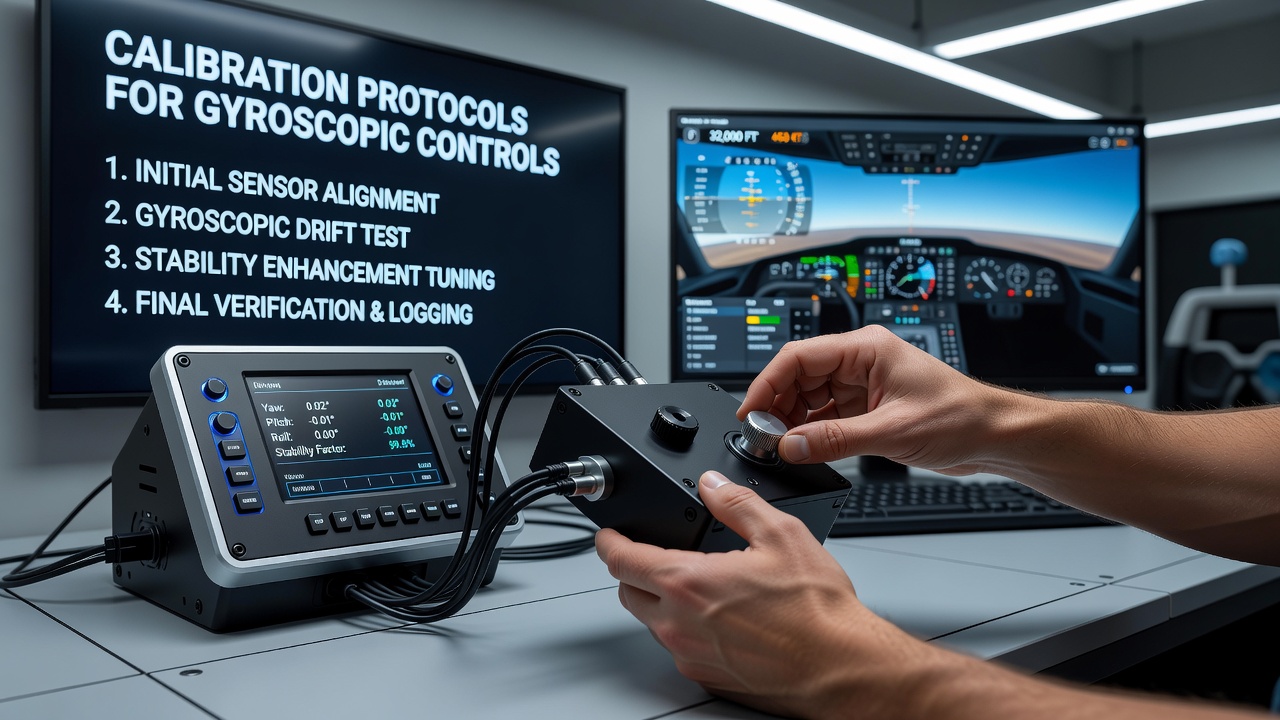
These procedures integrate with existing match software through secure firmware patches that lock calibration profiles once approved, preventing on-the-fly adjustments that could confer unfair advantages. Observers note that teams from regions with stricter hardware certification requirements, such as those following Canadian gaming equipment guidelines, consistently post lower variance scores in stability logs during cross-regional competitions. What's interesting is how the process also accounts for controller wear by comparing current calibration results against baseline profiles collected at the start of each competitive season.
Technical Metrics and Performance Outcomes
Stability enhancement appears most clearly in metrics such as root mean square error for attitude control and recovery time after external disturbances like wind gusts in the simulation. Studies conducted by the University of Queensland's esports performance lab reveal that properly calibrated gyroscopic systems reduce attitude error by 32 percent on average during 30-minute endurance rounds, with the largest gains occurring in yaw axis stability where console joysticks traditionally introduce the most mechanical play. Calibration logs from these sessions feed into post-event analytics platforms that identify patterns in sensor degradation across different controller batches.
Industry reports from the Global Esports Alliance indicate that venues adopting automated calibration verification tools have shortened setup times by 15 minutes per station while increasing compliance rates to 98 percent among registered competitors. The protocols further incorporate multi-point scaling to handle varying grip styles, ensuring that players who favor aggressive wrist movements receive the same effective sensitivity as those using broader arm motions after calibration completes.
Future Developments and Standardization Efforts
Upcoming firmware updates scheduled for late 2026 aim to introduce adaptive calibration that learns from individual pilot tendencies during practice matches, applying micro-adjustments without requiring full re-runs of the protocol. Regulatory bodies in the Asia-Pacific region have begun exploring unified calibration reference standards that could align console events with professional aviation training simulators, drawing on guidelines from the Civil Aviation Safety Authority of Australia. Such alignment would allow shared datasets between esports and pilot training communities, potentially accelerating refinements in drift compensation algorithms.
Conclusion
Calibration protocols for gyroscopic controls continue to shape stability outcomes in console flight simulation esports by providing repeatable methods for aligning sensor output with intended aircraft behavior. As events scale in August 2026 and beyond, these procedures remain central to fair competition and measurable performance gains across diverse hardware setups.