How Modular PSU Cable Kits Are Streamlining Airflow in Compact LAN Party Rigs for Regional Fighting Game Events
Mia Keller · Jul 30, 2026
How Modular PSU Cable Kits Are Streamlining Airflow in Compact LAN Party Rigs for Regional Fighting Game Events
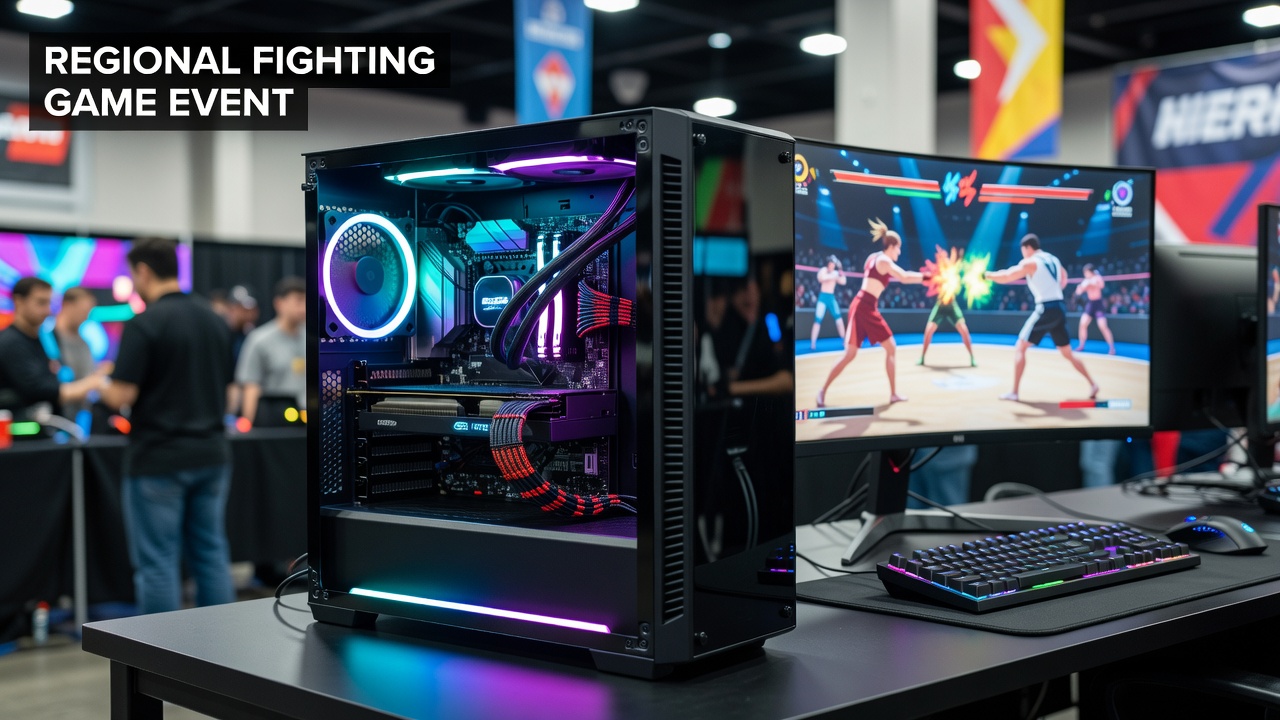
Modular PSU cable kits allow builders to select only the cables needed for a given system while eliminating excess wiring that blocks intake paths, and this approach has gained traction in compact LAN party setups built for regional fighting game tournaments where space constraints demand efficient thermal performance without sacrificing portability. Observers note that standard power supply units often come with fixed cable bundles that create dense tangles inside small chassis, whereas modular kits provide detachable connectors so technicians can route power lines directly along chassis walls or behind motherboards in ITX configurations common at these events.
Cable Management and Airflow Dynamics in Small Form Factor Builds
Research from thermal engineering studies shows that reducing cable bulk inside cases improves front-to-rear airflow by up to 15 percent in certain mini-ITX enclosures because fewer obstructions allow fans to maintain higher static pressure across radiator surfaces and component heatsinks. Data indicates that fighting game competitors frequently transport rigs in carry-on luggage for weekend events, which favors compact builds under 20 liters where every cubic centimeter of internal space affects cooling efficiency. Those who have examined tournament hardware report that modular kits with custom-length options let installers position 24-pin and PCIe power lines flush against panels, freeing pathways for intake fans mounted on side or bottom panels to draw cooler external air across GPUs and CPUs during long sets.
Regional Tournament Requirements and Hardware Adaptations
Regional fighting game events in July 2026 continue to feature bracket stations that rely on player-provided PCs running specialized emulation software and training tools, and organizers have observed increased use of modular cable solutions to meet venue power and noise regulations at community centers and convention halls. According to figures from the Consumer Technology Association, shipments of modular power supplies rose steadily through 2025 as builders adapted to smaller chassis designs that support quick teardown and reassembly between matches. People who maintain these rigs often combine short modular cables with cable combs or Velcro ties to secure runs away from exhaust zones, which prevents recirculation of warm air that could elevate component temperatures during extended play sessions lasting several hours.
What's interesting is how these kits integrate with existing airflow strategies such as positive pressure setups that push filtered air inward while directing exhaust through top and rear vents, and this configuration has appeared in multiple regional circuits where dust accumulation at shared venues poses ongoing maintenance challenges. Studies on PC thermal management reveal that organized cabling correlates with lower fan RPM requirements for equivalent load conditions, which in turn reduces acoustic output that matters when multiple stations operate side by side in a single hall.
Practical Examples from Event Circuits
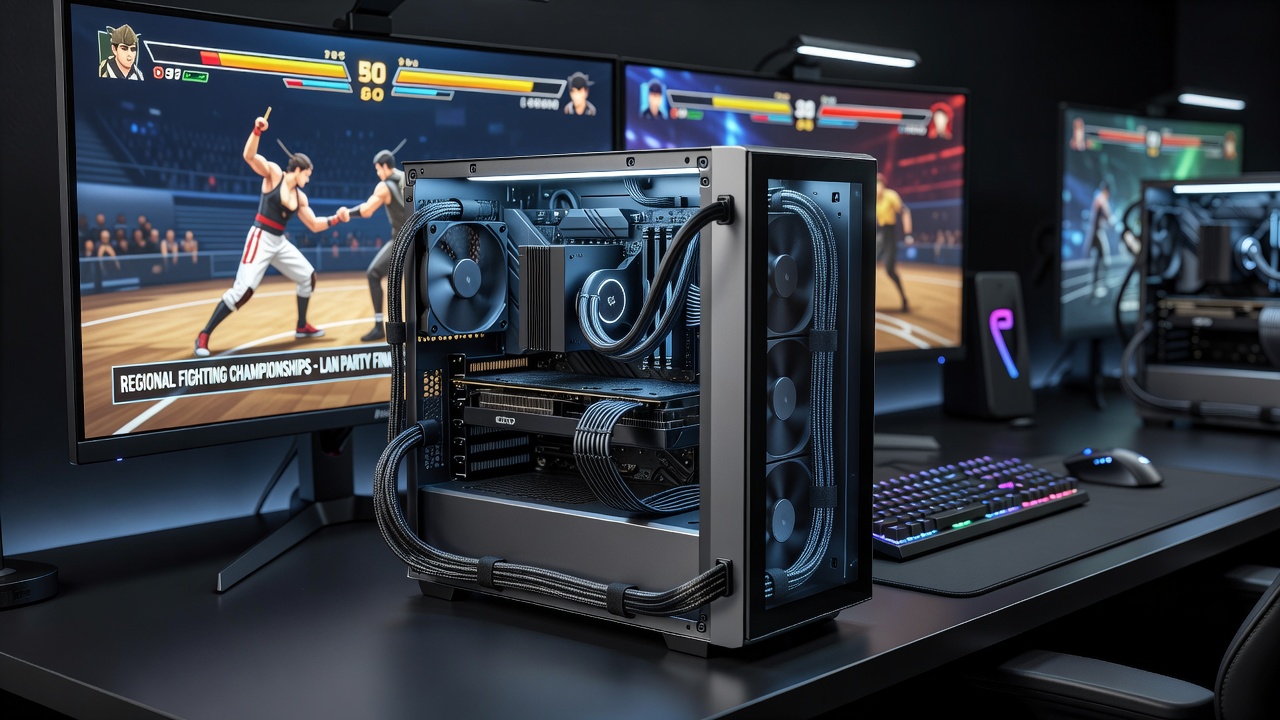
Take one technician supporting a Midwest regional series who documented temperature drops of several degrees Celsius after switching to modular kits in 15-liter cases housing high-end GPUs for emulation workloads. There's this case where teams preparing for July 2026 qualifiers adopted 80+ Gold and Platinum modular units with individually sleeved cables, allowing precise routing that avoided interference with vertical GPU mounts popular in fighting game builds for their display output flexibility. Evidence suggests these adaptations also simplify troubleshooting during events because technicians can swap individual cables without disassembling entire systems when power delivery issues arise mid-tournament.
Industry reports from the International Game Developers Association highlight growing interest in sustainable hardware practices among amateur esports organizers, and modular kits contribute by extending the usability of existing power supplies across multiple chassis upgrades rather than requiring full replacements when rigs are refreshed for new hardware generations. Those who've studied event logistics note that lighter cable bundles reduce overall rig weight, which matters for participants traveling via public transit or rideshares to smaller venues without dedicated tech support on site.
Integration with Broader Cooling Strategies
Modular cable kits complement other airflow enhancements such as mesh panels and optimized fan placements that have become standard in portable tournament PCs, while data from university labs focused on electronics cooling shows synergistic effects when cables no longer occupy prime real estate near intake grilles. Observers at recent events have recorded instances where builders paired these kits with low-profile AIO coolers and slim exhaust fans to maintain stable clock speeds under tournament loads without exceeding power or thermal envelopes set by venue electrical infrastructure.
Yet the transition requires careful compatibility checks because not all modular PSUs share the same pinouts, and mismatched cables can lead to component damage if installers overlook manufacturer guidelines during rapid setups. Research indicates that standardized cable kits from major suppliers have reduced such risks as adoption spreads through online communities dedicated to fighting game hardware.
Conclusion
Modular PSU cable kits continue to support efficient thermal management in the compact rigs that regional fighting game events depend on, and their role in cable organization directly influences how builders balance portability, cooling performance, and reliability across successive tournament seasons. As July 2026 events approach, hardware patterns suggest these solutions will remain relevant for participants seeking streamlined internal layouts that keep systems running optimally under competitive conditions.