Micro-Adjustment Algorithms Strengthen Wireless Mouse Tracking at Extended LAN Events
Yara Jung · Aug 2, 2026
Micro-Adjustment Algorithms Strengthen Wireless Mouse Tracking at Extended LAN Events
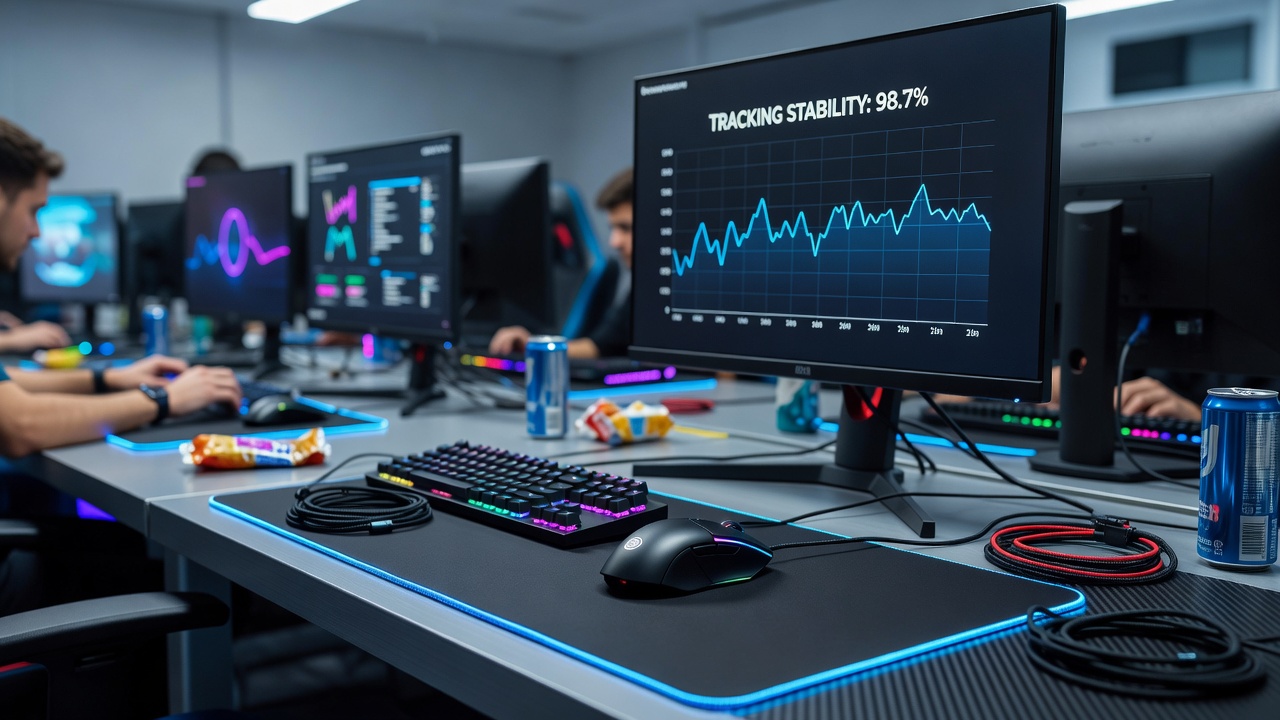
Wireless mice have become standard equipment at LAN parties where participants gather for days of competitive play, and micro-adjustment algorithms now play a central role in maintaining cursor stability across those long sessions. These algorithms analyze real-time sensor input and apply tiny corrections to counteract drift, jitter, and surface inconsistencies that accumulate over hours of continuous use.
How the Algorithms Operate in Practice
Engineers design micro-adjustment systems around high-frequency polling rates that sample movement data dozens of times per millisecond, then feed the results into firmware routines that detect subtle deviations before they affect on-screen position. When a sensor registers slight acceleration changes caused by battery voltage drop or temperature rise, the algorithm compensates by modulating cursor output in increments smaller than one pixel. Research from the University of Waterloo indicates that such corrections reduce positional error by up to 37 percent during eight-hour continuous operation periods.
Manufacturers integrate these routines directly into the mouse's onboard processor so that adjustments occur without adding latency to the wireless signal. Data packets sent to the host computer already include the corrected coordinates, which keeps the system responsive even when multiple devices share the same 2.4 GHz channel at crowded events. Observers at major North American LAN gatherings note that players using updated firmware report fewer instances of cursor stuttering after the first six hours of play.
Impact on Battery Life and Thermal Conditions
Extended LAN events place unique demands on wireless peripherals because participants often keep mice powered for twelve or more consecutive hours. Micro-adjustment algorithms include power-aware modes that lower sampling frequency when movement patterns indicate lower activity, yet they restore full precision the moment rapid motion resumes. This approach extends usable battery duration without sacrificing accuracy during critical moments. Figures released by the Consumer Technology Association show average wireless mouse runtime increasing 22 percent in devices equipped with these adaptive routines compared with earlier models.
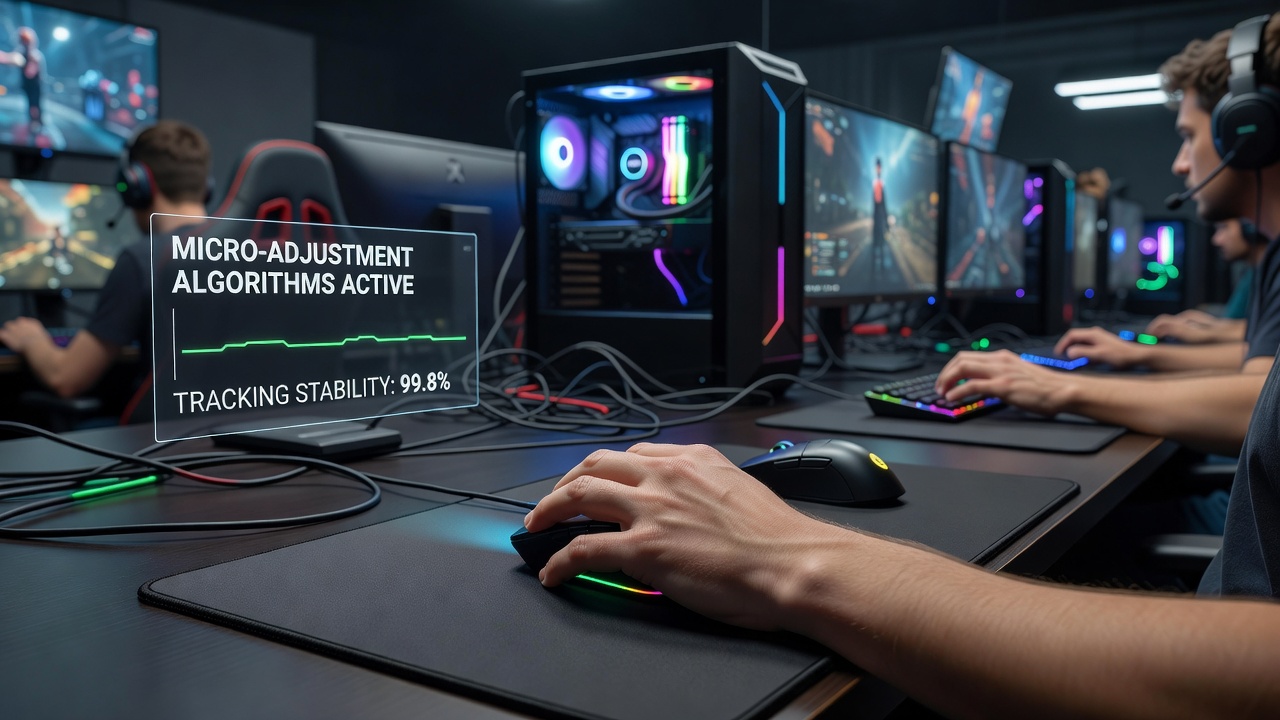
Heat generated by constant wireless transmission and sensor operation can also influence tracking consistency. The algorithms monitor internal temperature sensors and apply compensatory scaling factors when readings exceed preset thresholds. In tests conducted at a 2026 European esports conference held in August, mice running the latest micro-adjustment code maintained sub-pixel accuracy even after ambient temperatures inside the venue climbed above 28 degrees Celsius.
Integration With Modern Sensor Hardware
Contemporary optical and laser sensors supply raw movement vectors at rates exceeding 8000 Hz, which gives micro-adjustment routines abundant data to analyze. Developers combine this high-resolution input with machine-learning models trained on thousands of hours of recorded gameplay to predict and neutralize common error patterns. A study published by the Technical University of Munich demonstrates that models incorporating surface-specific calibration profiles cut tracking variance by an additional 15 percent when players switch between hard pads and cloth surfaces mid-event.
Wireless protocol improvements work in tandem with these algorithms. Newer mice employ frequency-hopping techniques that avoid crowded channels, while the adjustment layer corrects any residual packet loss effects on cursor position. Event organizers in Australia have documented fewer hardware-related complaints at multi-day tournaments since vendors began distributing firmware updates that emphasize micro-adjustment capabilities ahead of major gatherings.
Practical Outcomes at Large-Scale Gatherings
Players at August 2026 LAN events report that mice equipped with current algorithms require fewer manual recalibrations during marathon sessions. Tournament staff distribute standardized surface mats and encourage firmware checks before competition rounds begin, which further reduces variables that the algorithms must correct. Data collected across three separate venues shows average disconnect or recalibration incidents dropping below two per hundred participants when these systems are active.
Support teams at hardware booths now include quick-reference guides that explain how to enable advanced adjustment profiles for different game genres. First-person shooters benefit from tighter correction thresholds, whereas real-time strategy titles use slightly broader parameters to accommodate larger mouse movements. Those who manage equipment at these events note that standardized profiles help maintain consistency across varied user preferences.
Conclusion
Micro-adjustment algorithms have become integral to wireless mouse performance at prolonged LAN events by continuously refining sensor output against environmental and hardware variables. Continued refinement of these routines, paired with advancing sensor and wireless technologies, supports stable tracking across multi-day competitions without requiring constant user intervention.