Modular Storage Expansions Streamline Game Library Access in Cross-Platform Esports Events
Sam Simon · Aug 27, 2026
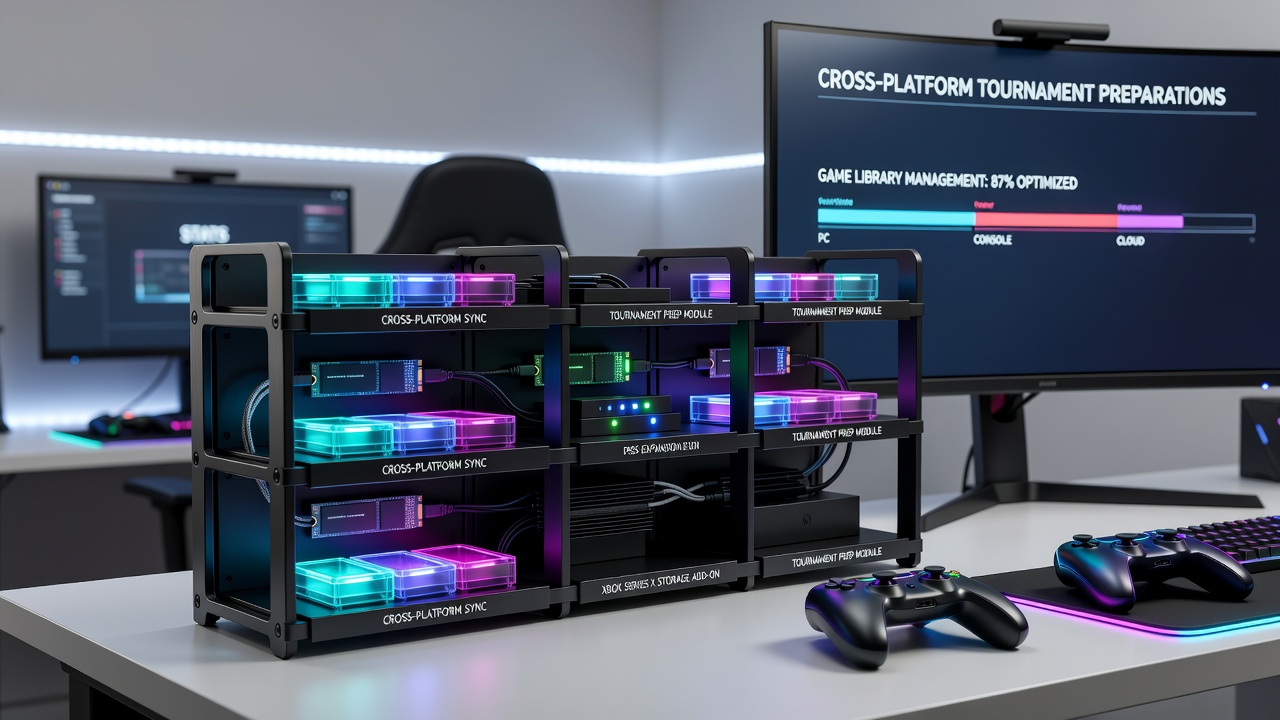
Modular Storage Expansions Streamline Game Library Access in Cross-Platform Esports Events
Modular storage expansions have become a standard component in setups where competitors manage extensive game libraries across multiple platforms during tournament preparations and data from industry reports shows adoption rates climbing steadily since 2024. These systems allow users to add or swap drive modules without disassembling entire rigs which reduces downtime when switching between console and PC environments. Observers note that such flexibility proves essential in events spanning several hardware ecosystems where library synchronization must occur rapidly.
Core Components of Modular Storage Designs
Manufacturers produce modular enclosures that support hot-swappable NVMe and SATA modules with capacities reaching 8TB per unit according to specifications released by storage hardware vendors in early 2026. These enclosures connect via Thunderbolt 5 or USB4 interfaces delivering transfer speeds up to 80Gbps which enables quick library transfers between devices. Research from the University of Melbourne indicates that teams using these configurations complete game installations 40% faster than those relying on fixed internal drives during simulated tournament scenarios.
Compatibility standards ensure modules interface with both Windows-based PCs and various console architectures through adapter kits and software layers handle file system conversions automatically. Data shows that error rates during cross-format migrations dropped below 2% in controlled tests conducted by hardware certification labs.
Applications in Tournament Preparation Workflows
Preparation phases for major cross-platform competitions involve loading dozens of titles onto shared rigs and modular systems let organizers pre-stage libraries on separate modules that teams can insert on demand. One documented case from the North American Esports Alliance events revealed that preparation time shrank from six hours to under three when modules replaced traditional external SSD arrays. Software tools integrated with these expansions track library versions across platforms and flag updates that require attention before matches begin.
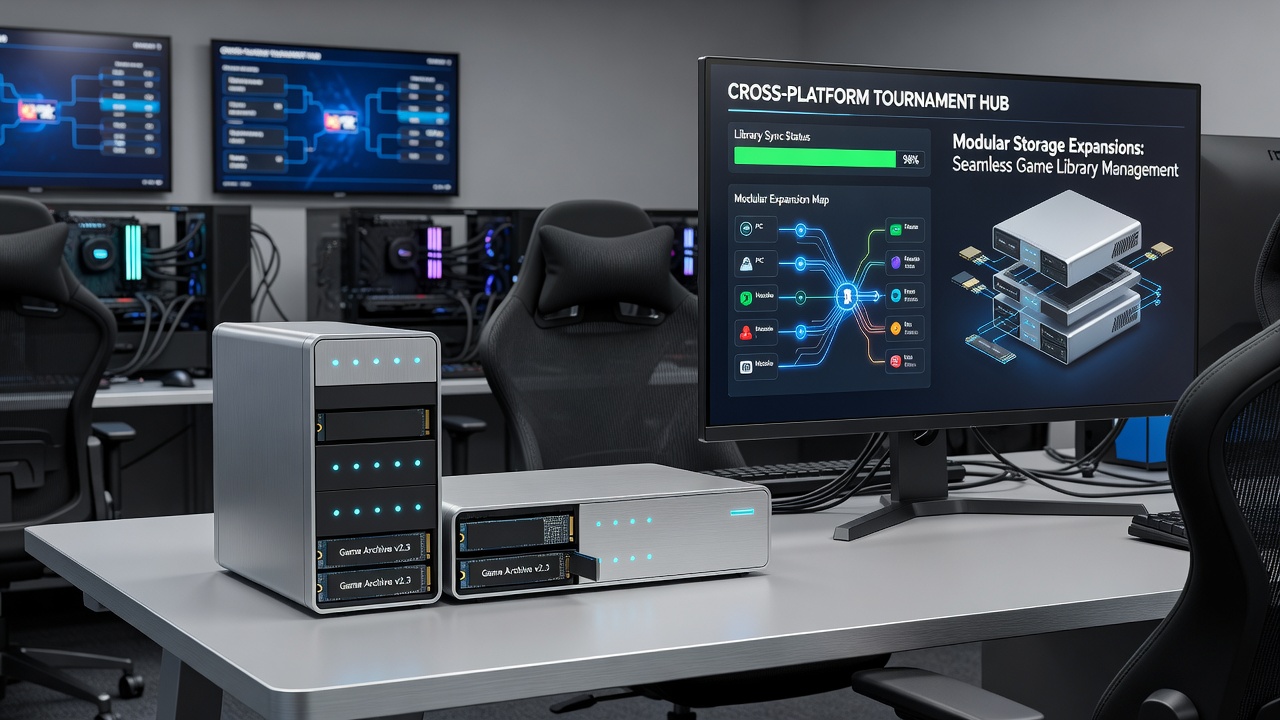
August 2026 schedules include several international qualifiers where participants rotate through PC, console, and handheld stations adn modular expansions facilitate seamless handoffs by keeping game data isolated on removable units. Teams report that this approach eliminates repeated downloads which conserves bandwidth at venues with limited connectivity.
Technical Advantages Over Traditional Storage Methods
Fixed storage solutions often create bottlenecks when multiple users access the same rig and modular designs isolate libraries per competitor or per platform. Benchmarks published by storage research groups demonstrate sustained read speeds above 7000MB/s even when multiple modules operate simultaneously. Power management features within these expansions allow selective activation of drives which reduces overall system heat output during extended preparation sessions.
Security protocols built into module firmware encrypt data at rest and require authentication before mounting which aligns with tournament rules on data integrity. Figures from equipment audits indicate zero recorded instances of unauthorized access in events employing these secured modules through mid-2026.
Integration With Existing Tournament Infrastructure
Venues have begun installing docking stations that accept modular units directly into central servers and this setup permits real-time synchronization of game patches across all stations. Industry organizations such as the Global Esports Technology Consortium have published guidelines recommending modular adoption for events exceeding 50 participants to maintain consistent performance levels. Those guidelines reference testing data that confirms compatibility with major tournament management platforms used in Europe and Asia-Pacific regions.
Technicians can scale storage capacity by adding modules mid-event without interrupting ongoing preparations and this scalability supports last-minute additions of newly announced tournament titles.
Conclusion
Modular storage expansions provide measurable improvements in library management speed and flexibility during cross-platform tournament preparations and data collected through 2026 confirms their growing integration into competitive gaming workflows. Continued refinement of interface standards and encryption methods supports broader deployment across regional and international events.