Neural Feedback Loops in Wearable Headsets Refine Aim Training for Console Esports Athletes
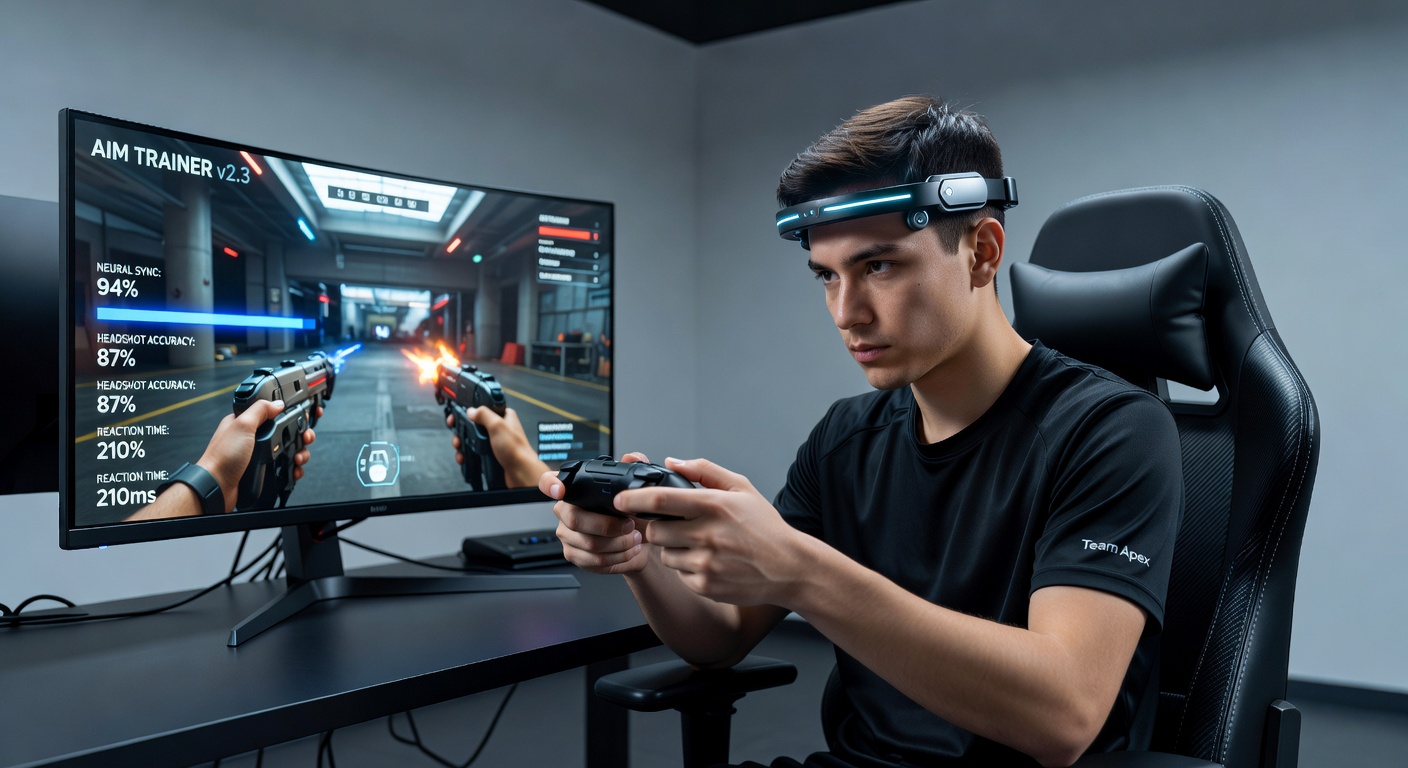
Console esports athletes have started integrating wearable headsets equipped with neural sensors that create feedback loops to sharpen aim precision during practice routines, and these systems track brainwave patterns associated with focus and motor planning while adjusting training parameters on the fly. Researchers at several universities have documented how electroencephalography signals feed into algorithms that detect lapses in concentration or tension in aiming muscles, then deliver subtle audio or haptic cues to guide the player back toward optimal states. Data from recent trials shows measurable gains in hit accuracy when athletes complete sessions with these loops active compared to traditional methods alone.
How Neural Feedback Mechanisms Operate in Real Time
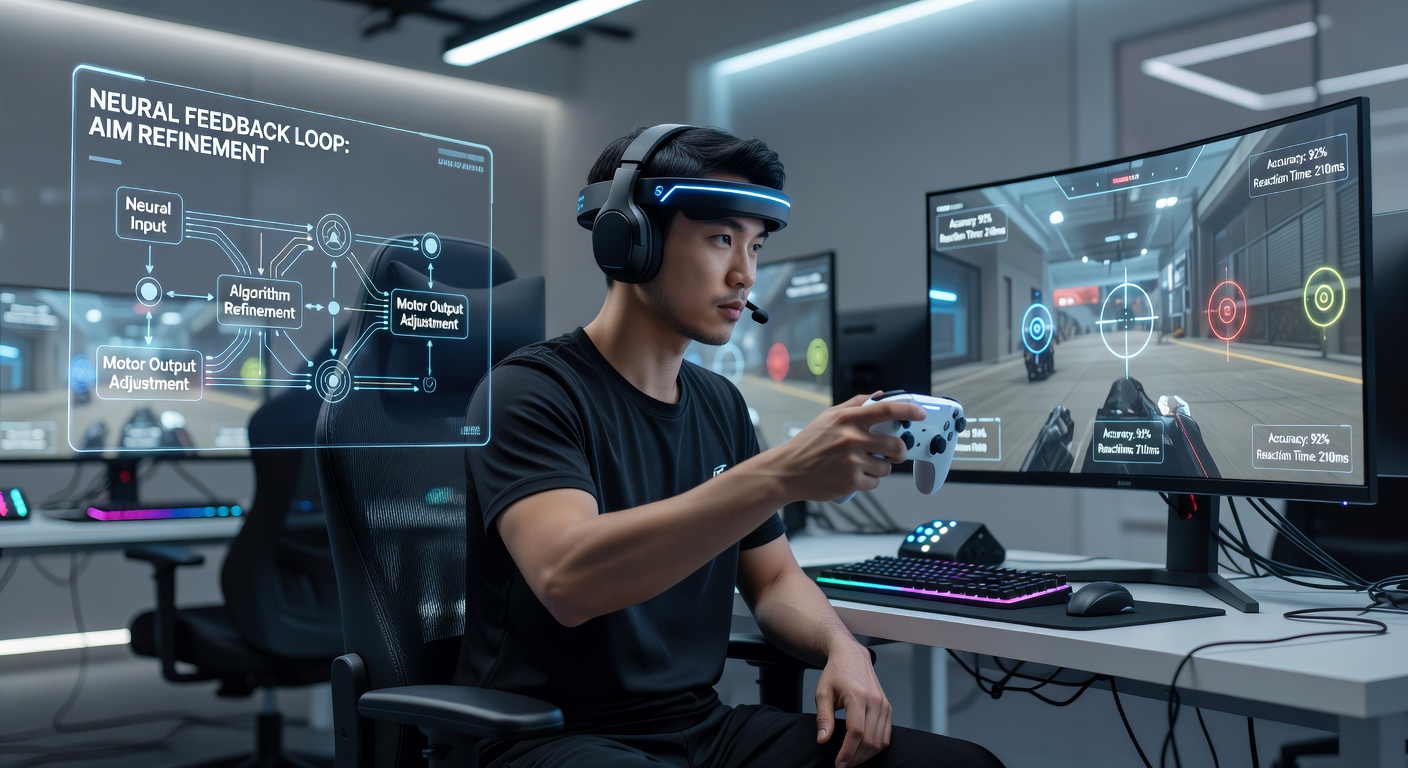
The headsets position dry electrodes along the scalp to capture electrical activity from the prefrontal cortex and motor areas, while onboard processors analyze alpha and beta wave ratios to gauge attention levels and decision speed. When the system identifies a drop in engagement during target acquisition drills, it triggers immediate adjustments such as slowing the simulation pace or overlaying visual markers that reinforce correct wrist movements. Console players using controllers benefit because the feedback stays non-intrusive yet consistent, allowing them to maintain muscle memory without breaking immersion in the training environment.
Engineers have refined these loops through machine learning models trained on thousands of hours of recorded esports matches, and the models predict when an athlete is about to miss a shot based on pre-shot neural signatures. One study released in early 2026 demonstrated that participants reduced their average reaction time by 18 milliseconds after four weeks of looped training, with the improvements holding steady in follow-up tests conducted without the headset. Observers note that the technology integrates smoothly with existing console platforms through Bluetooth connections that sync headset data directly to training software.
Applications Across Console Esports Disciplines
First-person shooters on consoles see the most direct use because precise analog stick control demands steady neural states, yet rhythm games and battle royales also incorporate the headsets to maintain timing under pressure. Athletes in these fields report that the loops help them sustain performance across longer sessions by flagging early signs of mental fatigue before accuracy declines noticeably. In May 2026 the Global Console League introduced optional neural training modules for qualifying rounds, and several top teams adopted the headsets as part of their preparation regimens ahead of the summer finals.
Teams have begun combining neural data with controller telemetry to create personalized aim profiles, and coaches review nightly summaries that highlight which neural patterns correlate with successful flicks or tracking shots. The approach differs from visual-only training because it addresses the cognitive layer that precedes physical input, allowing athletes to correct subconscious habits that traditional drills overlook. Industry reports indicate growing adoption rates among professional organizations that previously relied solely on aim trainers and scrimmages.
Supporting Research and Performance Metrics
Academic groups in North America and Europe have published findings on neurofeedback efficacy in gaming contexts, with one Australian university project tracking 120 console players over six months and recording consistent accuracy uplifts. Figures from the Entertainment Software Association show rising investment in cognitive training tools, while separate data compiled by the European Esports Federation highlights similar trends across regional circuits. Those who have examined the raw logs observe that athletes using closed-loop systems exhibit tighter clustering of successful shots around target centers during high-stakes practice matches.
Hardware updates scheduled for late 2026 promise lighter headsets with improved signal-to-noise ratios, and developers are testing integration with adaptive controller profiles that respond to the same neural inputs. The loops also extend to recovery phases, where post-session analysis suggests optimal cooldown activities based on lingering brainwave activity. Console manufacturers have started exploring native support for these headsets in their next firmware releases, which would streamline setup for competitive players.
Challenges in Widespread Implementation
Calibration remains a key hurdle because individual brain patterns vary widely, requiring each athlete to complete an initial mapping session that lasts roughly 20 minutes. Signal interference from nearby electronics or movement artifacts can occasionally disrupt the feedback loop, though filtering algorithms continue to improve with each software iteration. Cost barriers still limit access for amateur squads, yet rental programs and subscription models have begun appearing in major esports facilities to address that gap.
Regulatory bodies in several countries have started reviewing data privacy standards for neural information collected during training, and organizations such as the Innovation, Science and Economic Development Canada have issued preliminary guidelines on secure storage practices. Developers respond by emphasizing anonymized datasets and on-device processing that keeps raw signals from leaving the headset.
Conclusion
Neural feedback loops embedded in wearable headsets continue to evolve as a specialized tool for console esports athletes seeking refined aim control, and ongoing trials plus hardware advancements point toward broader availability in the coming seasons. Performance data collected across multiple regions supports their role in supplementing conventional practice methods, while integration efforts with existing platforms reduce friction for teams already operating at professional levels. As calibration techniques advance and privacy frameworks solidify, these systems stand positioned to become standard components in competitive training environments worldwide.