Quiet Revolution in Cloud Based Racing Simulators: Data Center Expansions Fuel Low Latency Experiences for Global Amateur Leagues
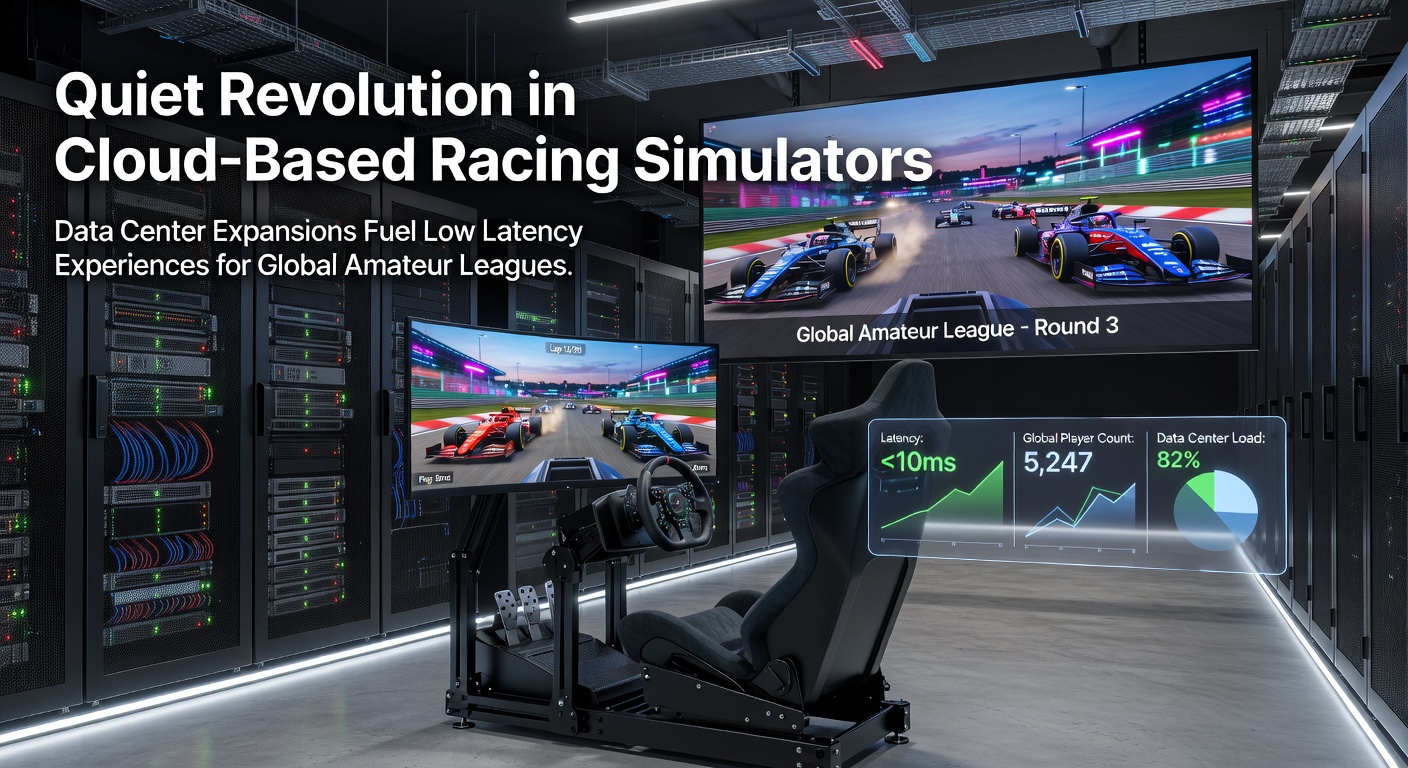
Cloud-based racing simulators have shifted from niche experiments to widespread platforms that connect drivers across continents, and data center expansions play a central role in making those connections reliable with minimal delays. Large-scale facilities now cluster in strategic locations near major population centers, which allows simulation servers to process inputs from steering wheels and pedals almost instantaneously. Observers note that these infrastructure upgrades coincide with rising participation in online racing events, where amateur leagues organize weekly competitions that draw thousands of entrants from multiple time zones.
Expansion Trends Across Key Regions
Facilities in North America and Europe have added capacity at a steady pace since late 2024, yet Asia-Pacific regions accelerated their builds through 2025 to match demand from emerging markets. Operators report that new halls incorporate direct liquid cooling systems alongside high-bandwidth interconnects, which together cut round-trip times between player hardware and remote simulation engines. Data from industry trackers shows average latency dropping below 20 milliseconds for sessions hosted on these upgraded networks, a threshold that keeps virtual cars responsive during high-speed cornering sequences. Researchers at institutions like the University of Melbourne have examined how such improvements scale when hundreds of drivers join the same lobby simultaneously.
Amateur leagues benefit directly because organizers no longer need to restrict events to regional participants. A league based in South America can now run races against European squads without noticeable input lag disrupting overtakes or qualifying laps. Servers positioned in newly expanded hubs handle physics calculations locally before syncing results across the broader network, which prevents the desync issues that once plagued cloud titles. Figures from network monitoring firms indicate that packet loss rates have fallen by more than half in areas served by these facilities compared with earlier deployments.
Technology Driving the Performance Gains
Modern cloud racing platforms rely on edge-computing nodes that sit inside or adjacent to the larger data centers, and these nodes preprocess telemetry before routing it onward. Developers integrate predictive algorithms that anticipate driver actions based on previous patterns, which further trims perceived latency even when physical distances remain large. Hardware upgrades include specialized network interface cards capable of handling 400-gigabit traffic, ensuring that multiple concurrent sessions do not compete for bandwidth during peak evening hours in different continents.
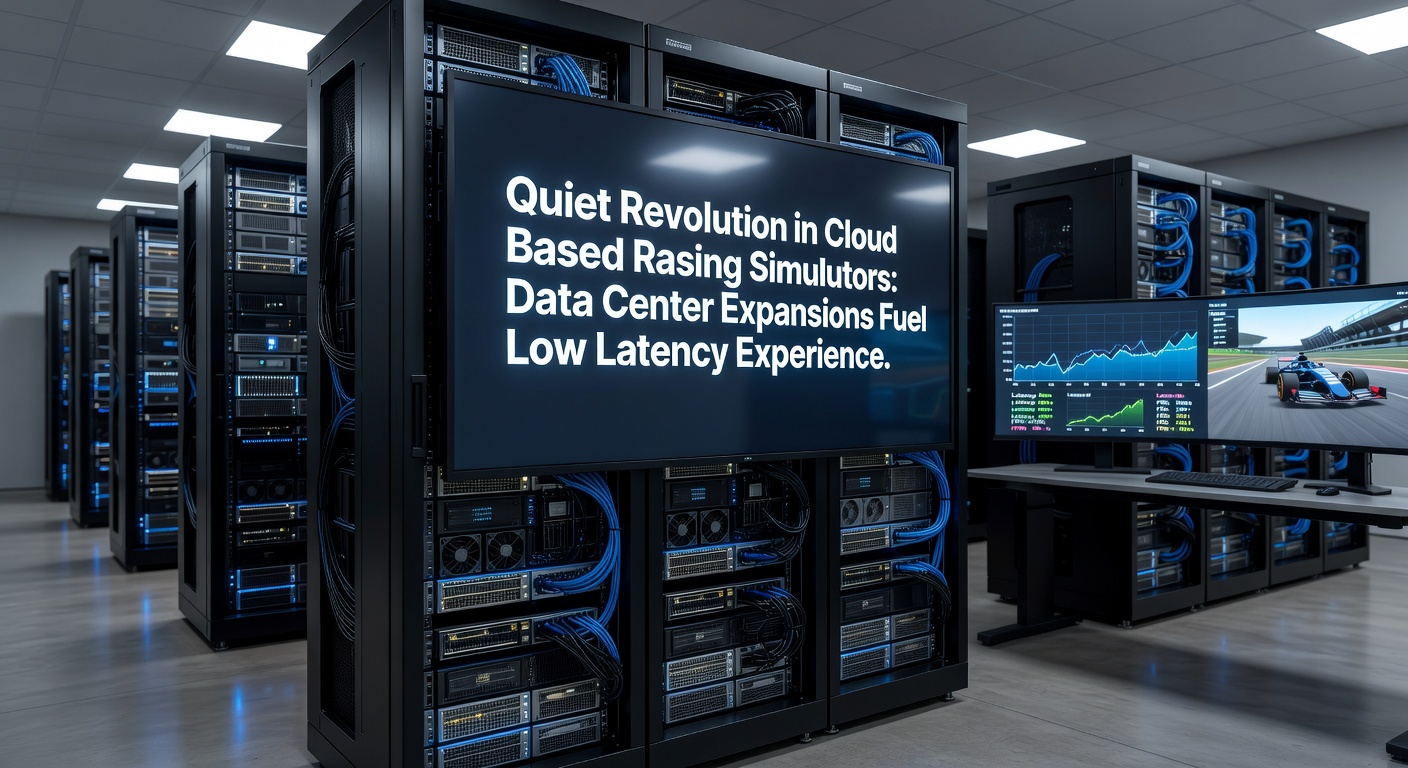
Game engines themselves have adapted to distributed environments by splitting workloads between client devices and remote instances. One study released in early 2026 highlighted how variable-rate encoding reduces data volume for non-critical visual elements while preserving full fidelity for tire and suspension telemetry. As of May 2026, several major providers have completed additional fiber routes that link these data centers into unified meshes, allowing seamless failover if one site experiences congestion. Those who manage amateur series observe that entry lists have grown steadily because newcomers encounter fewer technical barriers when joining from standard home connections.
Global Amateur Leagues and Participation Patterns
Leagues operating under names such as Virtual Endurance Cup and Cross-Continent GT Challenge now schedule events that span 24-hour periods, with staggered start times that accommodate participants in Australia, North America, and Europe. Registration platforms record steady increases in unique drivers each month, and post-race analysis tools pull directly from cloud-stored logs to deliver detailed breakdowns within minutes of session completion. Organizers credit the infrastructure growth for enabling features like real-time spectator modes that stream multiple camera angles without introducing extra delay for those watching the action unfold.
Training programs within these communities use the same cloud backends to host practice servers that remain available around the clock. Drivers refine setups on tracks located halfway around the world while receiving instant feedback on lap consistency. Reports compiled by the International Esports Federation note that participation numbers in simulation categories rose noticeably after latency improvements became widespread, particularly among age groups between 18 and 35. Equipment manufacturers have responded by certifying wheels and pedals for cloud compatibility, adding firmware options that optimize packet timing for the newer network standards.
Challenges and Ongoing Adjustments
Despite the progress, operators still navigate power constraints and regulatory requirements that differ by jurisdiction. Facilities in certain zones must meet stricter efficiency targets, which influences choices around cooling technology and renewable energy sourcing. Network engineers continue testing software-defined routing that can shift traffic dynamically based on real-time congestion maps. Amateur leagues adapt their rule sets to account for occasional regional outages, though such events have become less frequent following the latest round of expansions. Observers point out that continued investment in undersea cables and terrestrial backbones will determine how far these performance levels can extend into less densely connected areas.
Conclusion
Data center growth has quietly transformed cloud-based racing simulators into viable platforms for worldwide amateur competition, delivering the responsiveness once limited to local hardware setups. Expanded facilities, improved interconnects, and adaptive software together support larger fields and longer events without compromising the core sensation of driving. As infrastructure keeps evolving, global leagues gain additional tools for scheduling, analysis, and community building that keep participants engaged across borders and time zones.