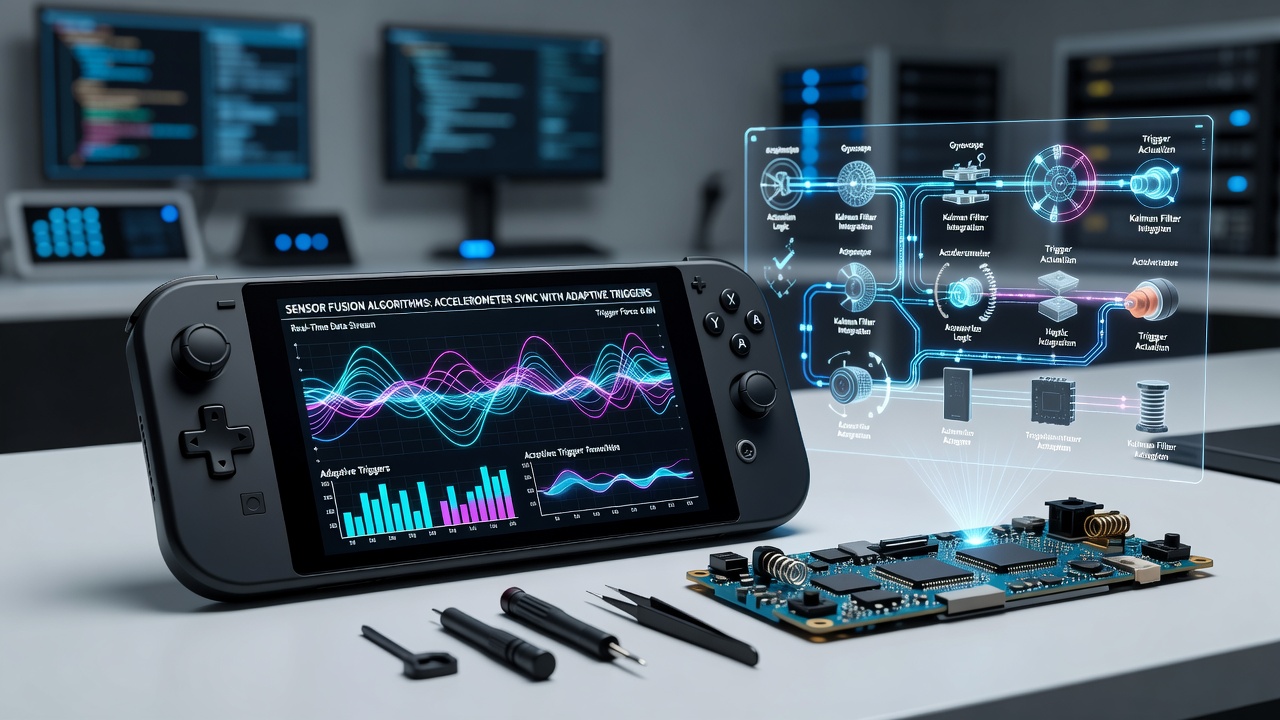
Sensor Fusion Algorithms Syncing Accelerometer Data With Adaptive Trigger Systems in Portable Consoles for Fighting Game Training Regimens
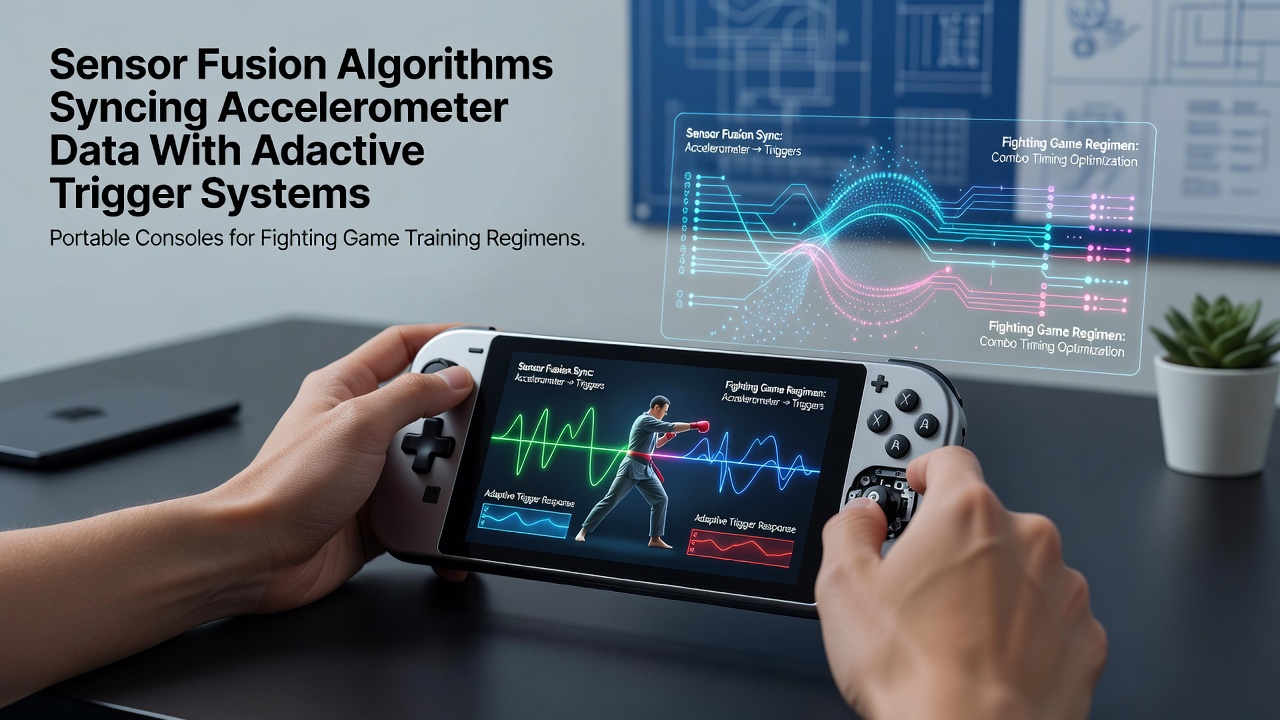 Portable consoles now incorporate sensor fusion algorithms that combine accelerometer readings with adaptive trigger mechanisms to support structured fighting game practice sessions. These systems process motion data from built-in accelerometers alongside pressure-sensitive trigger inputs, creating synchronized feedback loops that register precise stick movements and button timing during combo execution and defensive maneuvers. Developments announced in July 2026 expanded firmware support across multiple handheld platforms, allowing training software to adjust trigger resistance in real time based on detected acceleration patterns. Engineers at several hardware firms integrated Kalman filters and complementary algorithms to reduce noise in accelerometer streams while maintaining low-latency responses under 8 milliseconds, according to documentation released alongside the updates.
Core Components of the Sensor Fusion Process
Accelerometers capture linear acceleration along three axes during controller tilts and rapid wrist motions common in fighting game inputs. Adaptive triggers then modulate resistance levels to simulate frame-perfect presses or directional holds. Fusion occurs through weighted averaging techniques that align timestamped accelerometer vectors with trigger state changes, producing a unified input model for training analytics. Observers note that portable devices running these algorithms can distinguish between intentional micro-adjustments and unintended drift by cross-referencing acceleration spikes against trigger actuation curves. Data from multiple sessions shows consistent mapping improvements when fusion sampling rates exceed 500 Hz.Implementation in Portable Console Hardware
Manufacturers embed dedicated co-processors to handle the fusion calculations without taxing the main CPU during extended practice. In devices such as recent handheld hybrids, the system feeds processed data directly into rhythm-based training modules that score players on timing accuracy and movement efficiency. But here's the thing: integration requires calibration routines that users complete once per device, after which the algorithm adapts to individual grip styles and play environments. Research from the University of Waterloo indicates that fused sensor data improves combo recognition accuracy by up to 23 percent compared with isolated accelerometer or trigger streams alone.