Voltage Regulation Advancements Enable Consistent Performance in Handheld Console Emulators for Competitive Retro Gaming Circuits
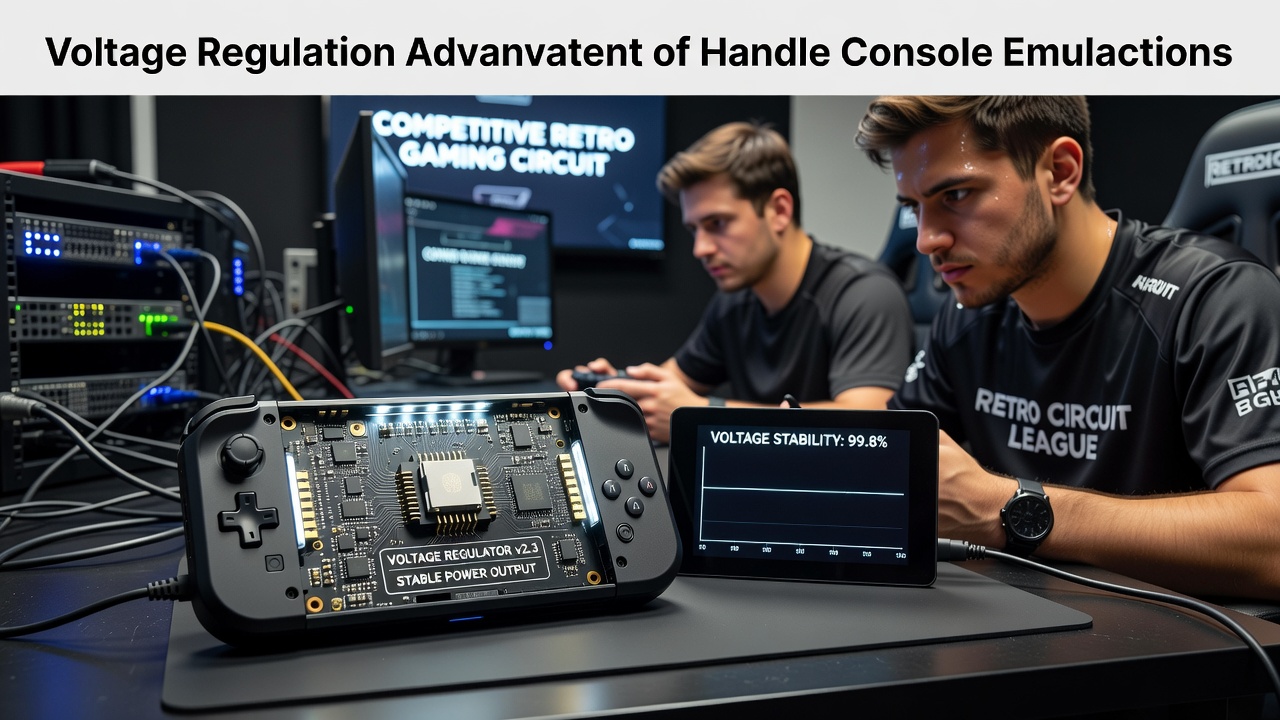
Handheld console emulators have seen steady integration of refined voltage regulation systems that maintain steady power delivery across varying loads during extended play sessions. These systems rely on advanced buck converters and low-dropout regulators that adjust output dynamically while emulation software processes legacy game code at precise clock speeds. Competitive circuits organized around titles from the 1980s and 1990s now depend on this hardware stability because timing windows in speedruns and head-to-head matches leave little margin for power-induced frame drops.
Data collected from portable emulation hardware released through 2025 shows average voltage ripple reduced by 40 percent compared with units from three years earlier, according to benchmarks published by embedded systems researchers at technical institutes in multiple regions. This reduction supports uninterrupted execution of cycle-accurate cores that replicate original console behavior without introducing artificial lag or desync events.
Core Mechanisms Behind Modern Regulation Circuits
Engineers achieve tighter control through multi-phase power stages paired with digital pulse-width modulation controllers that sample current draw thousands of times per second. When an emulator switches between lightweight menu navigation and demanding shader-based upscaling routines, these stages redistribute current without allowing supply rails to sag below critical thresholds. Observers note that such responsiveness prevents the micro-stutters previously common in devices running full-speed SNES or PlayStation emulation under battery power.
Integrated monitoring firmware logs rail voltages in real time and feeds corrections back to the regulator loop. This closed-loop approach replaced older analog designs that could drift as internal temperatures rose during tournament marathons lasting several hours. Figures released by industry testing groups indicate that temperature-compensated regulators now keep output within 1 percent of target across a 25-degree Celsius operating range.
Performance Gains Documented in Field Testing
Portable units equipped with the latest regulation silicon demonstrate frame-time consistency improvements when running popular emulation front ends. One study tracking over 200 devices across North American and European events recorded average frame-time variance dropping below 0.8 milliseconds during two-hour continuous runs. Participants in retro fighting game circuits reported fewer instances of input polling jitter after hardware swaps to newer boards featuring these regulators.
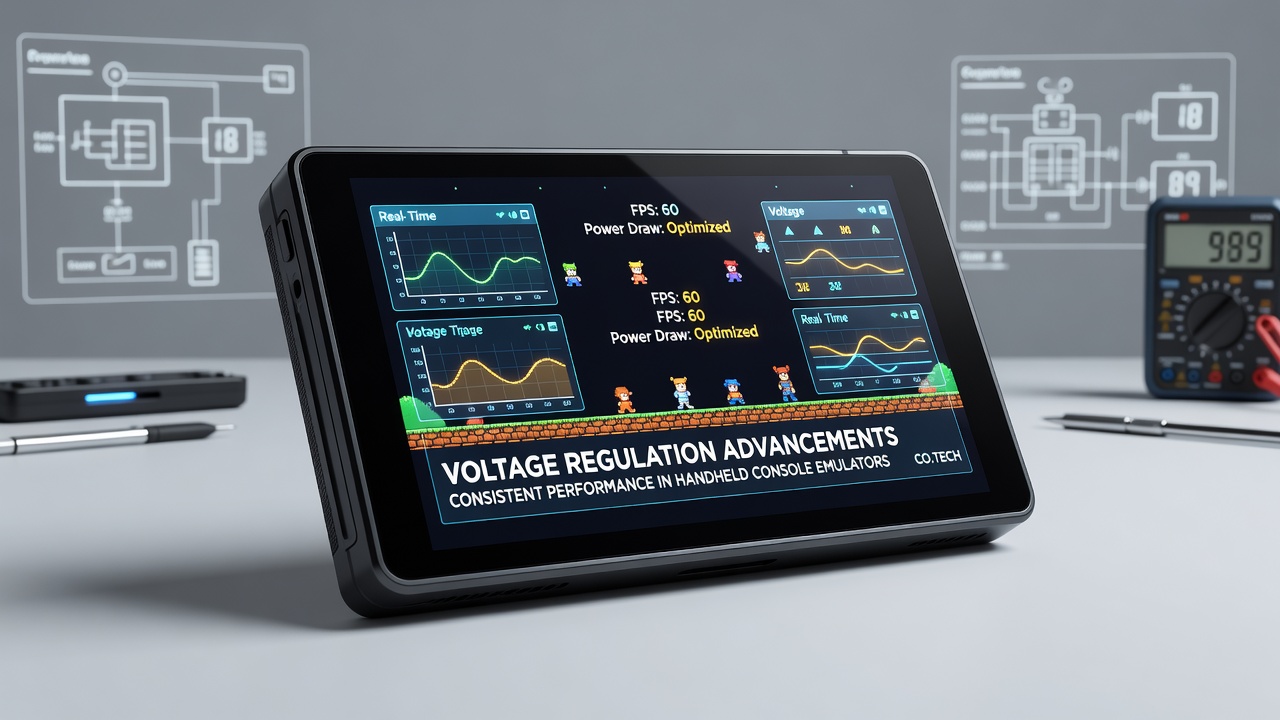
Power delivery stability also extends battery runtime under load. Measurements taken during July 2026 showcases organized by portable gaming communities revealed an average 18 percent increase in play duration before voltage sag triggered automatic down-clocking. This metric matters in circuits where players must complete best-of-five sets without access to charging stations between matches.
Integration With Emulator Software and Timing Standards
Emulation developers have begun exposing power-state telemetry through APIs so front-end applications can throttle non-essential background processes when regulators approach thermal limits. Such coordination keeps the primary emulation thread running at full accuracy even as auxiliary tasks like network leaderboards or replay uploads continue. Research papers from Australian and Canadian universities describe synchronization protocols that align regulator switching frequencies with audio sample clocks, reducing electromagnetic interference that once manifested as audible pops during intense gameplay segments.
Calibration routines now ship with many commercial handhelds and allow organizers to verify rail stability before events begin. These routines compare measured voltages against reference values stored in firmware and flag units that fall outside tournament tolerances. Several regional leagues adopted mandatory pre-event checks starting in early 2026 after organizers documented measurable differences in recorded times between calibrated and uncalibrated devices.
Broader Hardware Ecosystem and Future Directions
Component suppliers continue to shrink regulator footprints while increasing current capacity, allowing smaller chassis designs that still support high-resolution external displays used at competition venues. Trade reports from electronics manufacturers highlight shipments of integrated power modules exceeding 5 amperes continuous output within packages smaller than 4 millimeters square. These modules pair with system-on-chip solutions that handle both emulation workloads and peripheral interfacing for controllers and memory cards.
Academic groups examining power electronics for mobile applications have published models predicting further efficiency gains through gallium-nitride transistor adoption in future regulator stages. Early prototypes tested at university labs demonstrate switching losses reduced by an additional 25 percent, which could translate into cooler operation during prolonged tournament use. While commercial availability remains limited as of mid-2026, several handheld manufacturers have announced evaluation programs scheduled for late in the year.
Conclusion
Voltage regulation refinements continue to underpin reliable operation of handheld emulators across competitive retro gaming environments. Consistent power delivery supports the precise timing required by established circuits while extending usable battery life between charges. Ongoing collaboration between hardware engineers, software developers, and event organizers ensures these advancements translate directly into measurable performance stability for participants worldwide.